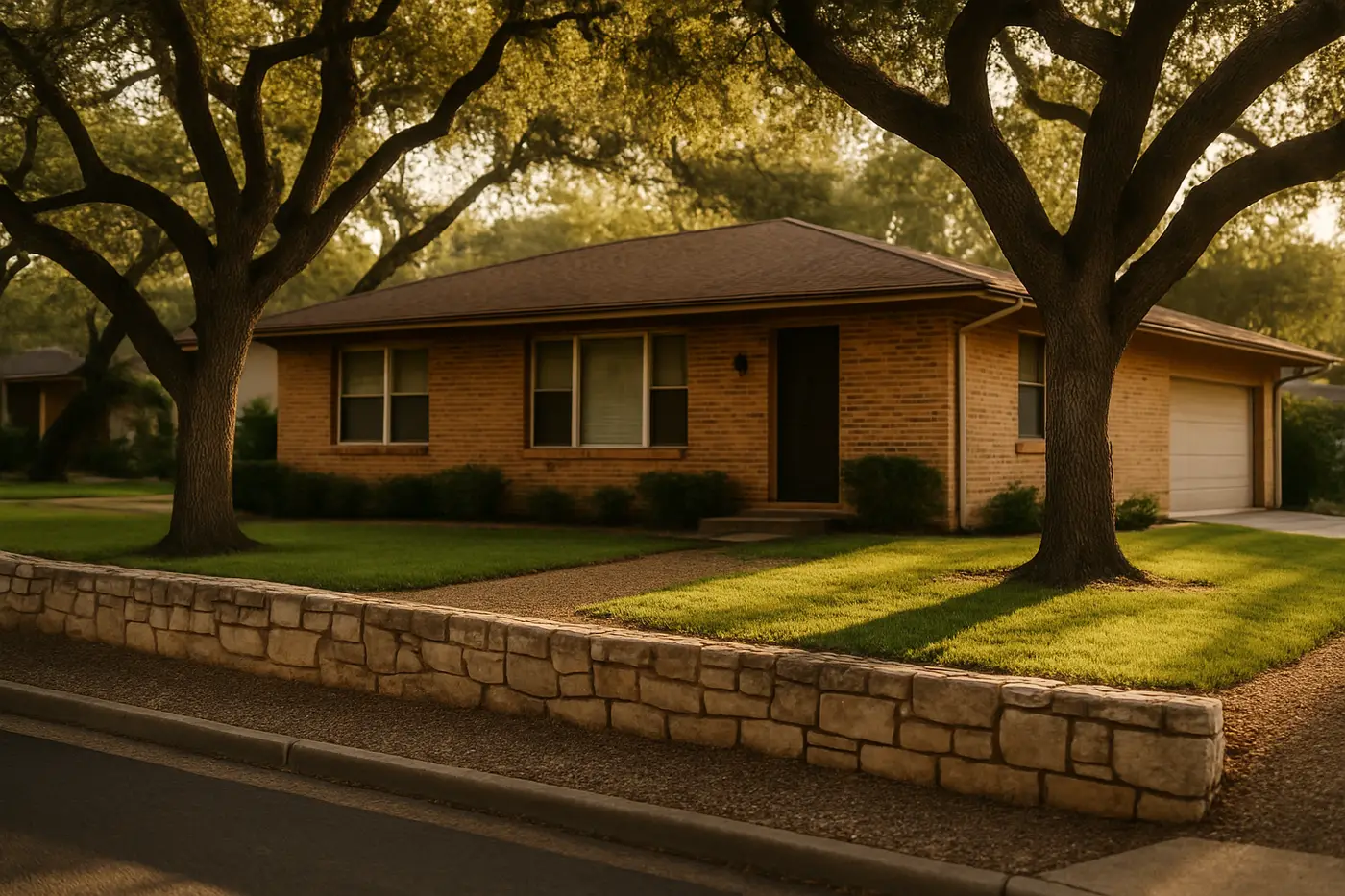
San Antonio · Alamo Heights · Helotes · Boerne · Schertz · Cibolo · New Braunfels · Seguin
Foundation Repair
Service Areas
Six regions, 24 core neighborhoods and the ZIP codes between them. Each region has its own soil, housing era, foundation type and trouble spots. Open any neighborhood below for the local foundation context.
- 6 regions · 24 core neighborhoods
- Typical travel 25–40 minutes
- Clay south and east, limestone north and west
Confirm Coverage for Your Address
Tell us what the house is doing. You get an honest read on urgency and a written proposal after the evaluation.
6
Service regions across the metro
24
Neighborhoods with local guides
25–40 min
Typical travel by region
2
Soil types that decide the method
Six regions
Six different foundation problems, not one
Pier and beam in the historic core. Thin 1960s slabs on clay inside Loop 410. Post-tension slabs on limestone and fill north of 1604. Deep Blackland clay under the northeast and the I-35 corridor. Each one changes what goes on the truck.
- 01 · ~25 min
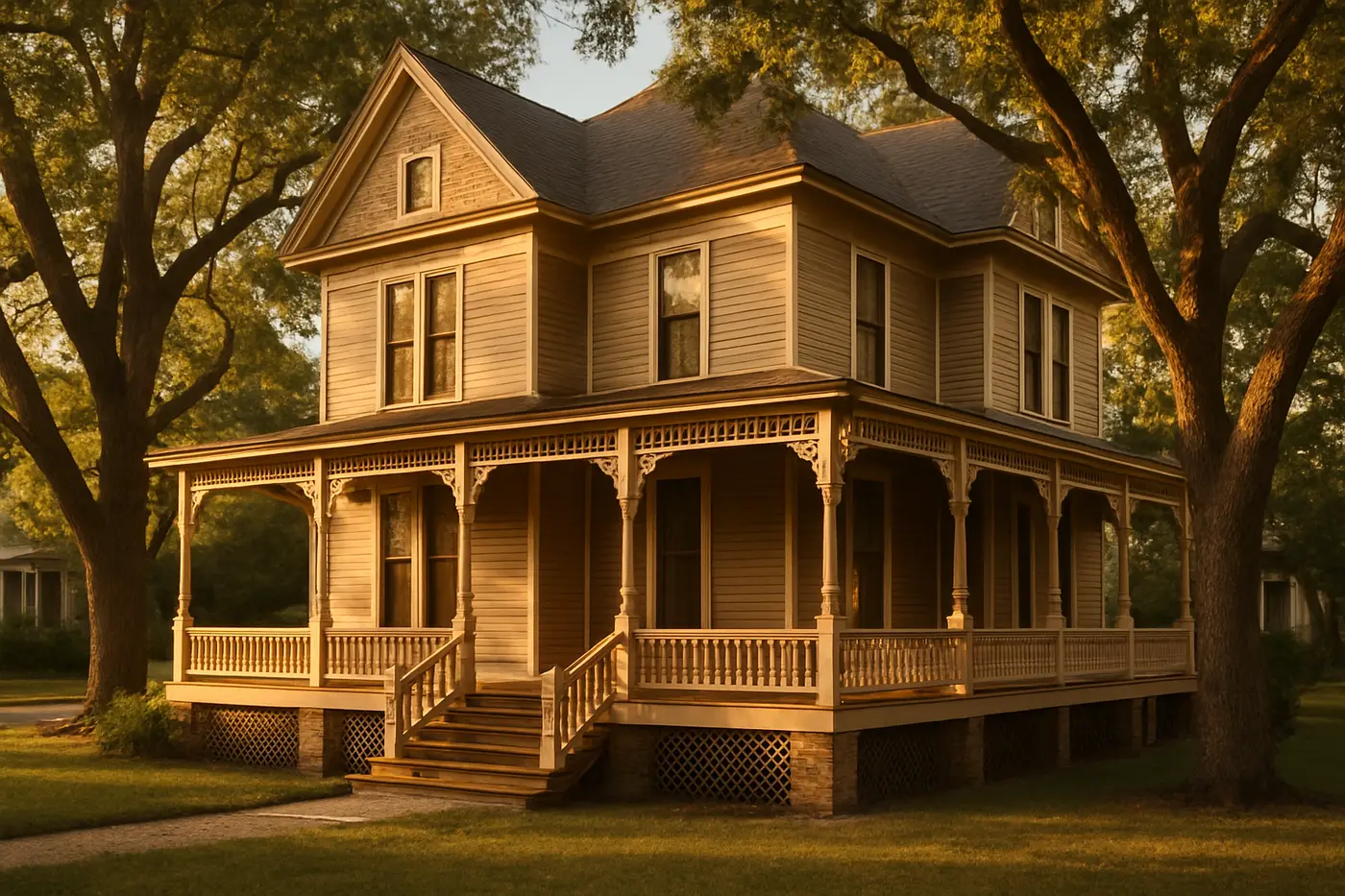
Central San Antonio
Pier and beam Victorians, historic districts and the oldest slabs in the city
Downtown San Antonio · King William · Monte Vista · Alamo Heights
- 02 · ~30 min
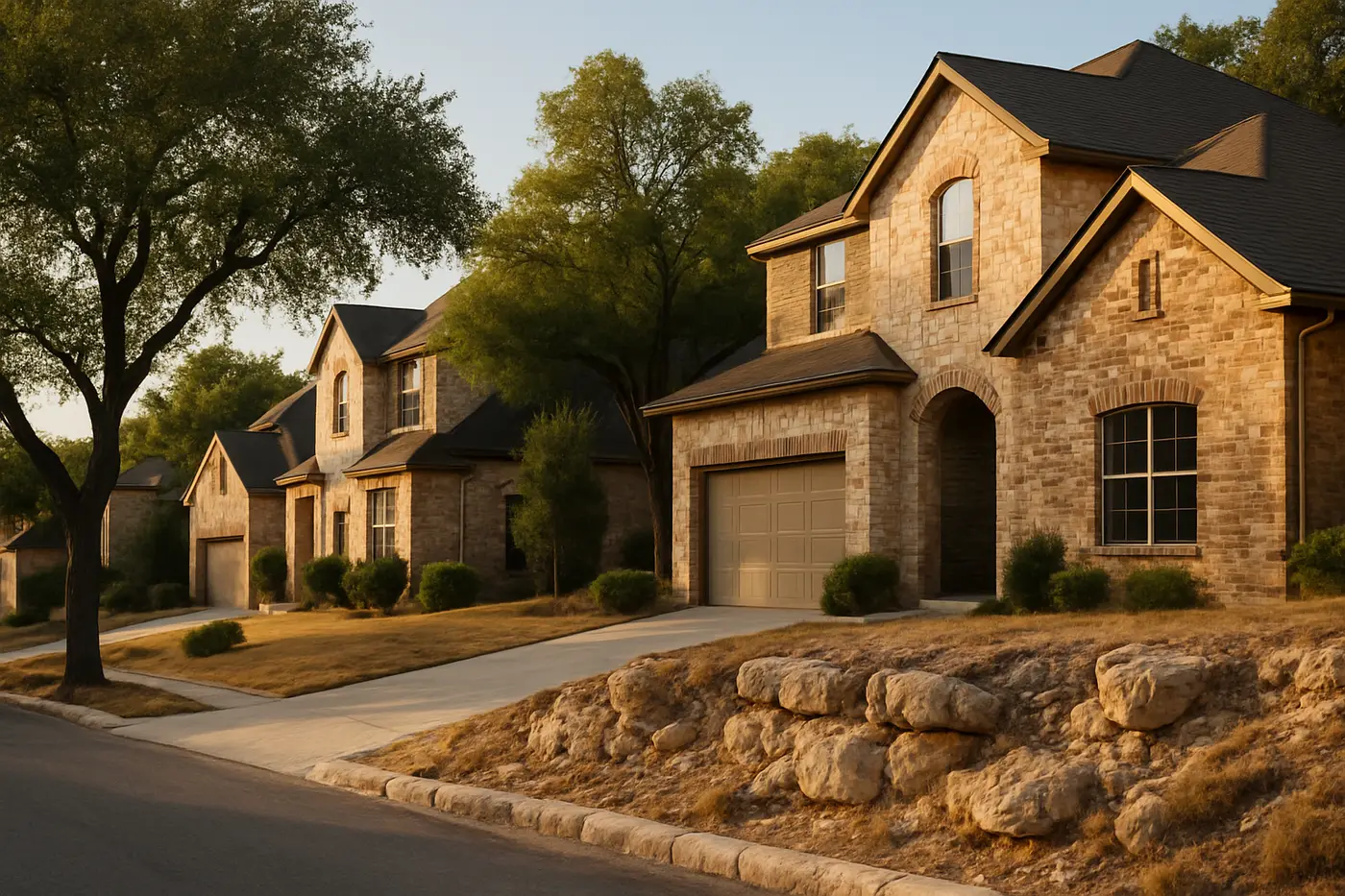
North San Antonio
Thin 1960s slabs inside Loop 410, post-tension slabs on limestone north of 1604
Stone Oak · Castle Hills · Shavano Park · Hollywood Park
- 03 · ~35 min
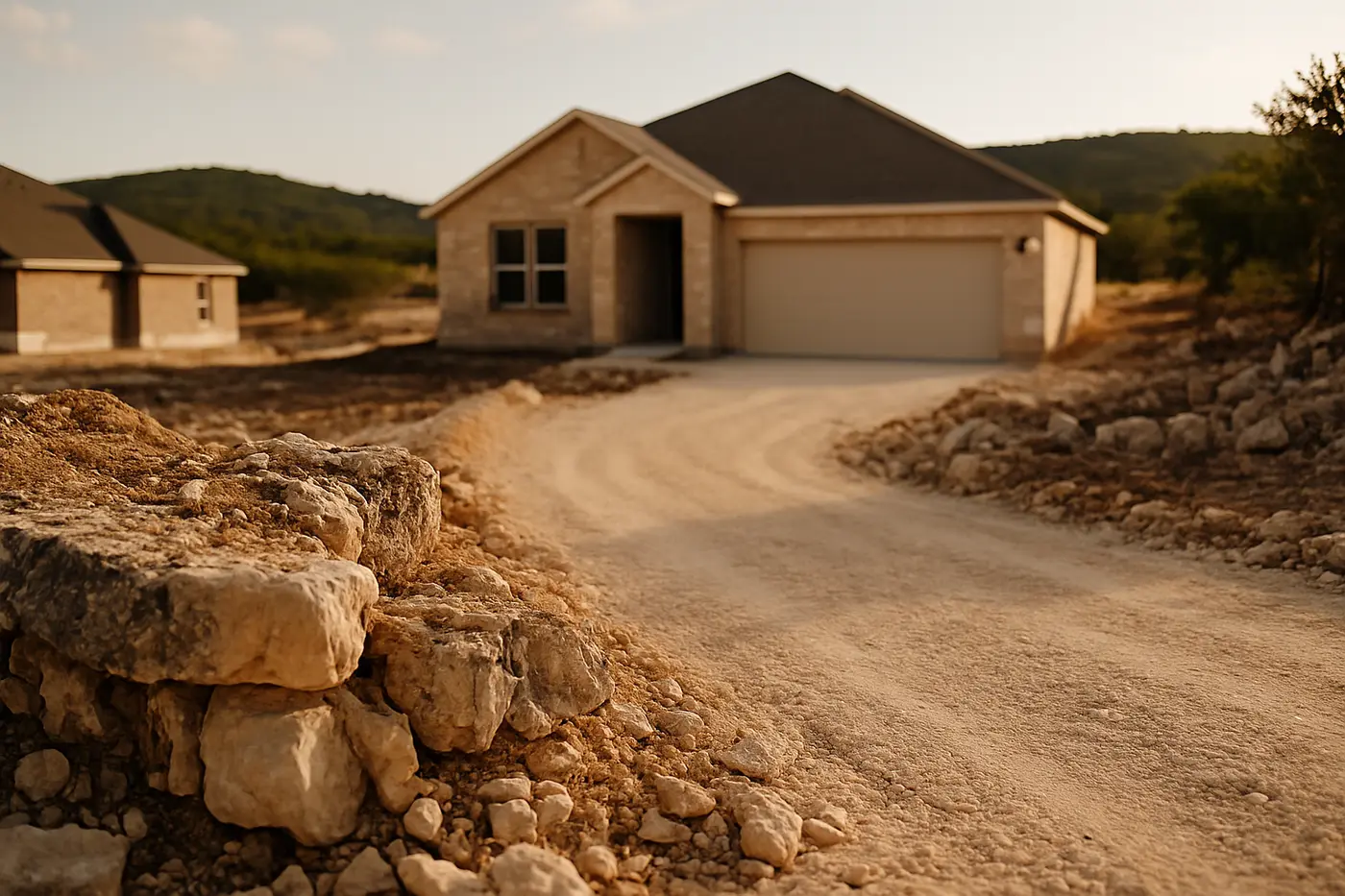
Northwest San Antonio & the Hill Country
Rock, thin soil and fast-built subdivisions from Bandera Road to Boerne
Helotes · Boerne · Leon Valley · Alamo Ranch
- 04 · ~30 min
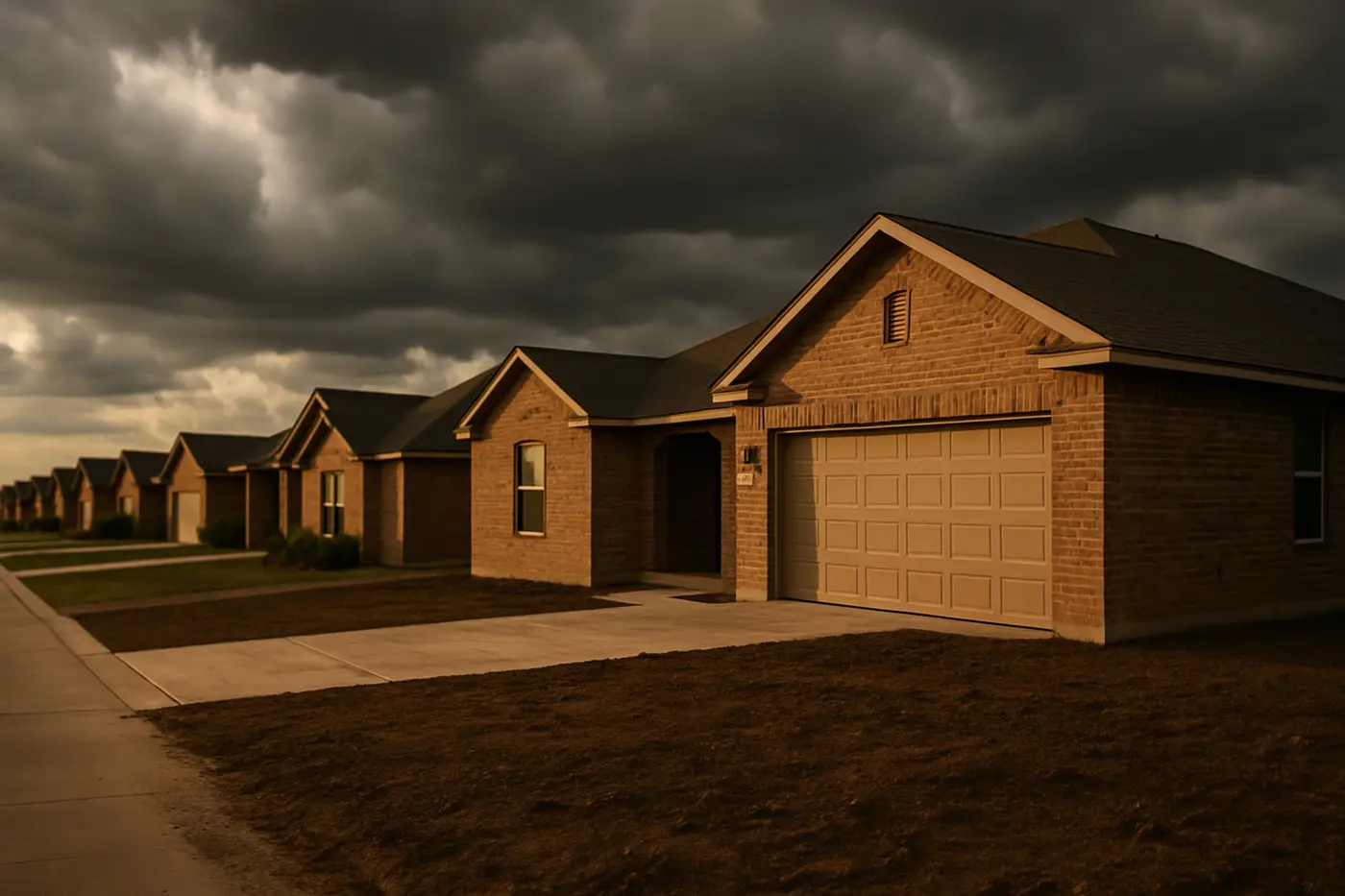
Northeast San Antonio
Deep Blackland clay under three decades of subdivisions around Randolph
Schertz · Cibolo · Converse · Universal City
- 05 · ~30 min
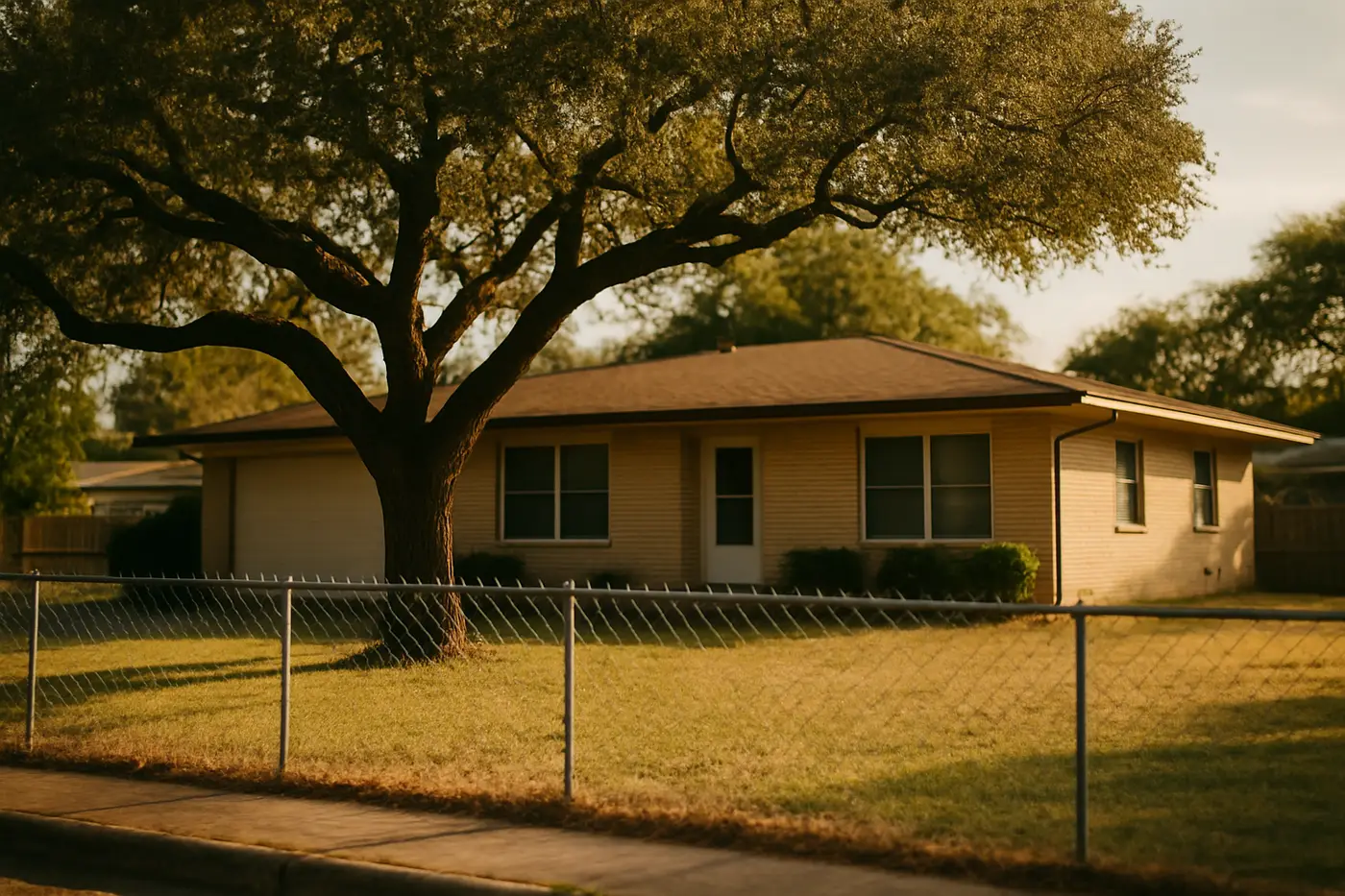
South & Southwest San Antonio
Mid-century slabs on clay, older pier and beam, and the Medina River towns
Harlandale · Highland Hills · Southwest Side · Castroville
- 06 · ~40 min
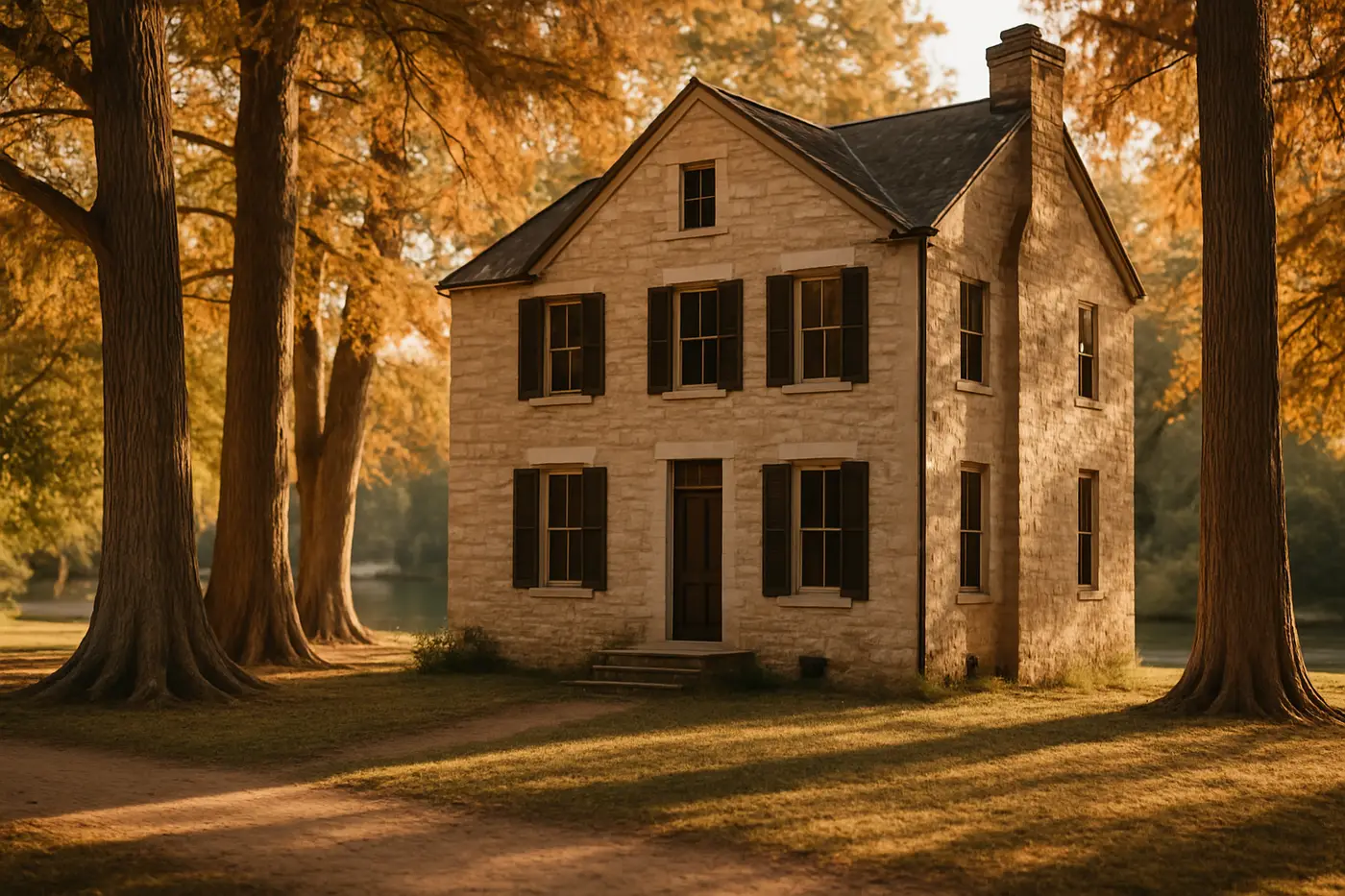
New Braunfels & Seguin
The fastest-growing city in the corridor, the county seat on the river, and the rock-and-clay line between them
New Braunfels · Seguin · Garden Ridge · Live Oak
Full directory
All 24 core neighborhoods, grouped by region
Every neighborhood page covers the soil, the housing era, the foundation type, the five most common failures and what the adjuster, the city and the next buyer will ask for.
~25 min typical · 4 neighborhoods
Central San Antonio
Downtown, King William, Monte Vista and Alamo Heights. The 1870s to 1950s core of the city sits on pier and beam foundations with rotted sills and sunk brick piers, next to early slabs on clay, mature pecans and live oaks, and historic design review for anything visible from the street.
Region overview- Downtown San Antonio 78205 Historic masonry commercial buildings settling on rubble and early concrete footings along the river and Houston Street
- King William 78204 Rotted sill plates and beams at the corners of 1870s to 1900s Victorian and Greek Revival homes on pier and beam
- Monte Vista 78212 Sagging beams and rotted sills under 1900s to 1930s pier and beam homes with tight, damp crawl spaces
- Alamo Heights 78209 1920s to 1950s homes split between pier and beam and early conventional slabs, each moving in its own way
~30 min typical · 4 neighborhoods
North San Antonio
Stone Oak, Castle Hills, Shavano Park and Hollywood Park. Two generations of slab: 1950s to 1970s ranch homes on thin conventional slabs with cast iron drains underneath, and 1990s to 2010s post-tension slabs on Edwards limestone, cut-and-fill lots and builder drainage that dumps at the corner.
Region overview- Stone Oak 78258 Fill settlement under 1990s to 2010s post-tension slabs on cut-and-fill lots, tilting the house toward the low corner
- Castle Hills 78213 Cast iron drain lines corroded and leaking under 1950s to 1960s slabs, heaving kitchens and bathrooms
- Shavano Park 78231 Custom homes on large lots where limestone gives way to clay across a single yard, one end on rock and the other on soil
- Hollywood Park 78232 1950s to 1970s ranch homes on thin slabs and some pier and beam, on large lots with mixed soil
~35 min typical · 4 neighborhoods
Northwest San Antonio & the Hill Country
Helotes, Boerne, Leon Valley and Alamo Ranch. Hill Country limestone with thin soil and caliche under 1990s to 2020s subdivisions, a 1960s enclave on clay along Huebner Creek, and the fastest-growing corner of the metro where lots were scraped and graded in a hurry.
Region overview- Helotes 78023 Post-tension slabs on scraped and filled hillside lots settling toward the low corner in 1990s to 2020s subdivisions
- Boerne 78006 2000s to 2020s subdivisions on limestone and fill settling unevenly on cut-and-fill lots as Boerne grew
- Leon Valley 78238 1960s to 1970s thin slabs on clay cracking at the corners and heaving over leaking cast iron drains
- Alamo Ranch 78253 2000s to 2020s tract homes on scraped lots where the topsoil was removed and the slab poured on whatever was left, clay in places and caliche in others
~30 min typical · 4 neighborhoods
Northeast San Antonio
Schertz, Cibolo, Converse and Universal City. The northeast is the deepest expansive clay in the metro, under 1960s ranch homes next to Randolph and under 2000s to 2020s subdivisions that spread across former farmland along I-35, FM 3009 and Cibolo Creek.
Region overview- Schertz 78154 Slab edges lifting after wet springs and dropping after dry summers on deep Blackland clay across 1970s to 2020s subdivisions
- Cibolo 78108 2000s to 2020s subdivisions on deep Blackland clay lifting and dropping with the seasons, street after street
- Converse 78109 1970s to 1990s conventional slabs on clay with cast iron and early PVC drains, heaving interiors and dropping corners
- Universal City 78148 1960s to 1980s thin conventional slabs on clay cracking at corners and heaving over leaking cast iron drains
~30 min typical · 4 neighborhoods
South & Southwest San Antonio
Harlandale, Highland Hills, the Southwest Side and Castroville. Postwar neighborhoods on Blackland clay south of downtown and around the military bases, with 1940s to 1970s slabs and pier and beam homes, plus the Alsatian town of Castroville on the Medina River with historic stone houses and new subdivisions.
Region overview- Harlandale 78214 1940s to 1960s thin conventional slabs on Blackland clay cracking at corners and heaving over leaking cast iron drains
- Highland Hills 78223 1950s to 1970s conventional slabs on Blackland clay dropping at corners and heaving over leaking cast iron drains
- Southwest Side 78227 1960s to 1980s conventional slabs on clay along Marbach Road cracking at corners and heaving over leaking drains
- Castroville 78009 Historic stone and fachwerk houses from the 1840s to 1880s on rubble footings settling and cracking at the corners
~40 min typical · 4 neighborhoods
New Braunfels & Seguin
New Braunfels, Seguin, Garden Ridge and Live Oak. The I-35 corridor northeast of the city: New Braunfels with the Balcones fault running through it and thousands of new slabs on both rock and clay, Seguin's historic pier and beam core on the Guadalupe, Garden Ridge on karst, and 1970s Live Oak on clay at Loop 1604.
Region overview- New Braunfels 78130 Subdivisions east and south of I-35 on Blackland clay lifting and dropping with the seasons, brick cracking at corners
- Seguin 78155 1900s pier and beam homes around the courthouse square and near Texas Lutheran University with rotted sills, sunk piers and previous shimming
- Garden Ridge 78266 1980s to 2010s homes on large lots over karst and thin soil, with slabs bearing on rock at one corner and a void at another
- Live Oak 78233 1970s to 1980s conventional slabs on Blackland clay cracking at corners and heaving over leaking cast iron drains
Don't see your neighborhood?
The list is the core, not the boundary
The 24 neighborhoods above are the ones we attend often enough to write a local guide for. The crew covers the whole City of San Antonio and the neighboring cities on the same basis, including:
- Tobin Hill
- Dignowity Hill
- Beacon Hill
- Olmos Park
- Terrell Hills
- Windcrest
- Kirby
- Selma
- Bulverde
- Timberwood Park
- Fair Oaks Ranch
- Medical Center
- Westover Hills
- Lackland
- Floresville
- Pleasanton
- Hondo
- Marion
Further out, toward Kerrville, Fredericksburg, San Marcos or Uvalde, tell us the town and we will be straight about whether the crew can get there in a useful window.
Confirm coverage for my addressHow scheduling works
Nearest crew, active movement first.
Typical travel runs from about 25 minutes in Central San Antonio to about 40 minutes out to New Braunfels and Seguin. Here is what sits behind those numbers.
- Nearest crew, not a call center The evaluation window you get on the phone is based on where the crew is actually working that week, not a slogan.
- Active movement first A slab dropping after a plumbing leak, a beam that let go in a crawl space, a commercial floor opening up: those go ahead of routine evaluations.
- Honest windows The travel times above are typical, not guaranteed. After a flood week or in a drought August the schedule fills, and you are told where you sit before anything is booked.
What stays the same
Same standards, every ZIP code
The neighborhood changes the soil, the foundation type and the travel time. The evaluation, the written proposal and the way the job is priced do not.
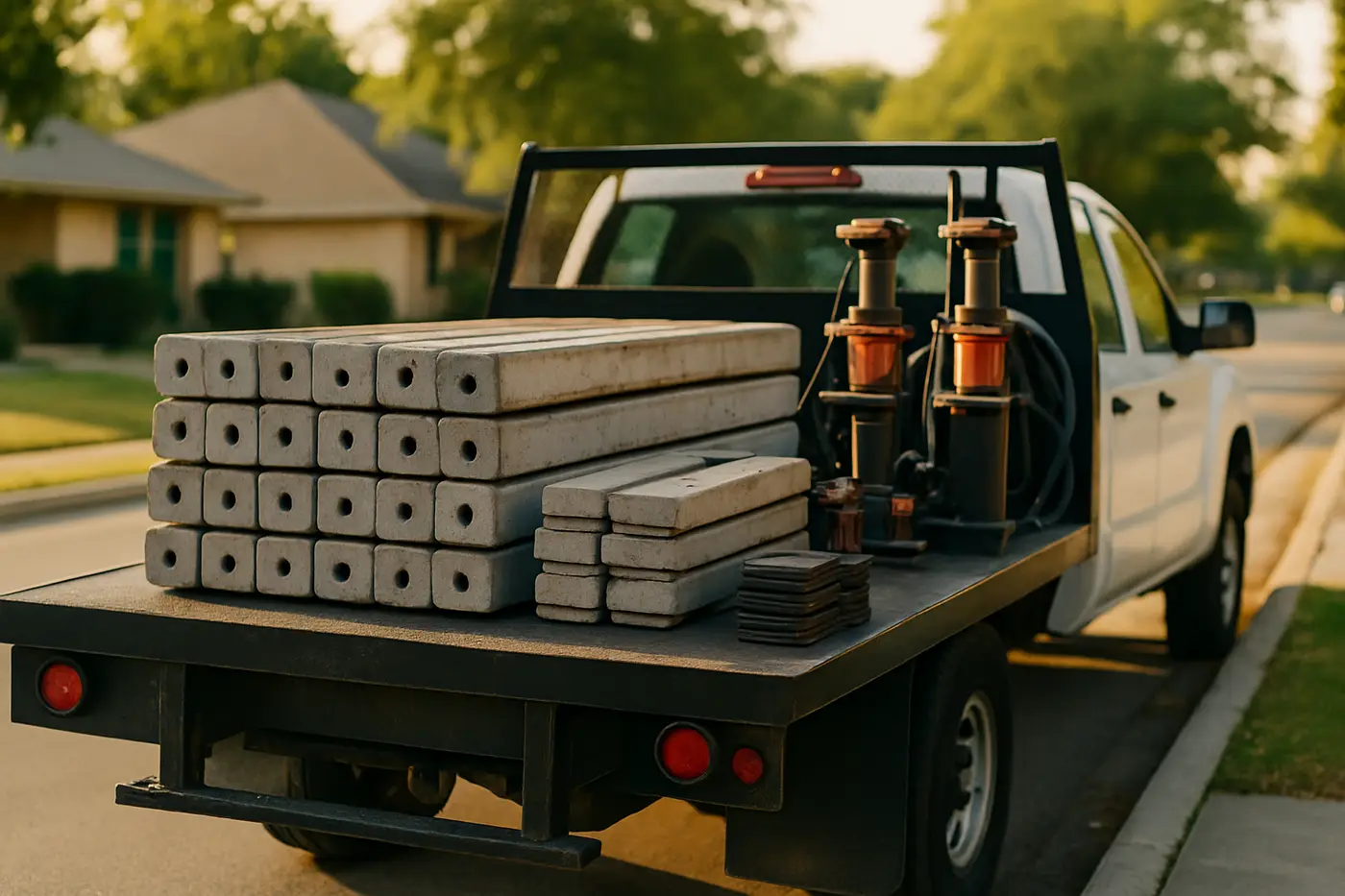
Same evaluation
Elevation survey, crack map, drainage and trees, foundation type. The same walk-through in a King William Victorian and a Cibolo tract home.
Same written proposal
Method, pier count, price, schedule and warranty terms on paper before work starts. If the plumbing test changes the scope, work stops and a revised proposal is issued.
Same pricing basis
Per-pier pricing with the pier count in writing, most homes needing 8 to 12. No neighborhood loading, no different price for the same pier in Alamo Heights and Harlandale.
Same local knowledge
Blackland clay under Schertz and Cibolo, limestone and fill under Stone Oak and Boerne, pier and beam in Monte Vista, cast iron drains under 1960s Castle Hills slabs. We know which one you have.
Tell us the neighborhood
We'll confirm the soil, the crew and the window.
Neighborhood, what the house is doing and your timing. You get a realistic evaluation window, the price basis and what to watch for while you wait.