Pier and Beam Foundation Repair
Reshimming, rotted sill and beam replacement, new piers and crawl space moisture control for pre-1960 homes.
Service region · 4 core neighborhoods
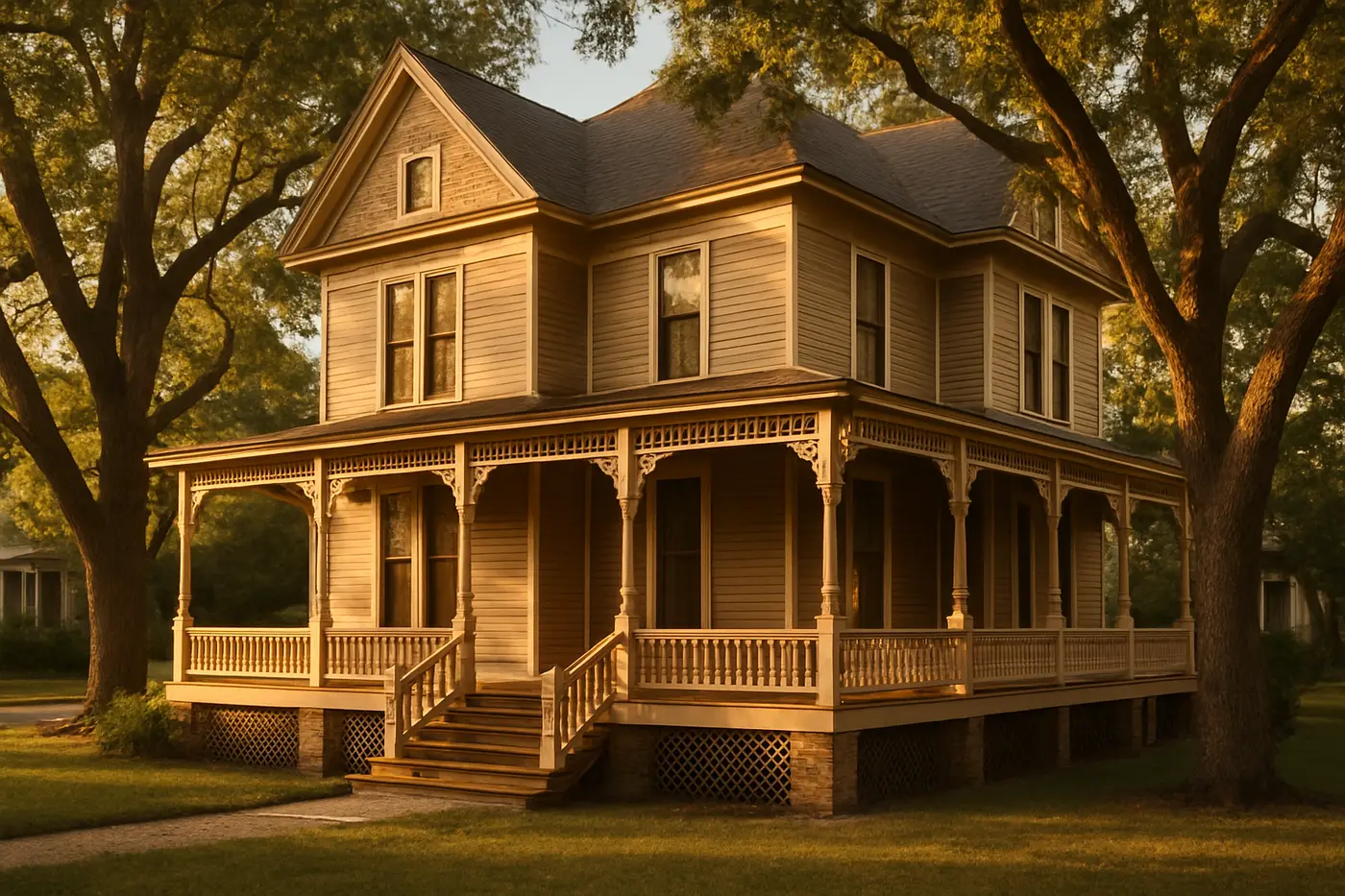
Pier and beam Victorians, historic districts and the oldest slabs in the city. Downtown, King William, Monte Vista and Alamo Heights. The 1870s to 1950s core of the city sits on pier and beam foundations with rotted sills and sunk brick piers, next to early slabs on clay, mature pecans and live oaks, and historic design review for anything visible from the street.
Tell us what the house is doing. You get an honest read on urgency and a written proposal after the evaluation.
~25 min
Typical travel across Central San Antonio
4
Neighborhood guides
8–12
Piers most homes need
PE
Engineer's report when the job calls for it
About Central San Antonio
Every region in our coverage has its own mix of soil, housing era, foundation type and trouble spots. Knowing which one you are in is what gets the right rig on the truck.
Core neighborhoods
Downtown San Antonio, King William, Monte Vista and Alamo Heights, plus the ZIP codes between them.
Central San Antonio is where pier and beam still rules. King William's Victorians and Greek Revivals from the 1870s to 1900s and Monte Vista's 1900s to 1930s homes sit on wood beams over brick and concrete piers, with a crawl space underneath that has spent a century getting wet every spring and drying every August. The failures are wood and masonry, not soil alone: sill plates rotted at the corners, beams sagging between piers set too far apart, piers that sank or crumbled, and decades of shims and jacks that someone slid in and never came back to check. Pecans and live oaks planted with the houses now drink from the clay on one side and dry it faster than the other.
Downtown adds masonry commercial buildings and hotel conversions where the work runs through an alley and after hours. Alamo Heights, an independent city with its own permit office, has 1920s to 1950s homes on a mix of pier and beam and early slabs, sitting where limestone terraces meet clay and where the low streets near the Olmos Basin flood. Historic district design review covers exterior changes in King William and Monte Vista, so skirting, steps and porches are handled to match. It is the shortest drive in our coverage and the most careful work.
What we see most
The truck is loaded for these before it leaves: pilings or steel for the local soil, jacks, shims, and the drainage gear.
Rotted sill plates, sagging beams and crumbling brick or concrete piers under 1870s to 1930s pier and beam homes in King William and Monte Vista
Sloping wood floors and previous shimming that slipped, with crawl spaces too wet or too tight to work in
Early slabs and stem walls in Alamo Heights cracking where limestone terraces meet clay and the Olmos Basin floods
Commercial and mixed-use buildings downtown with masonry walls, shared party walls and access limited to alleys and after hours
Where we cover
Open a neighborhood for the local context: soil, housing era, foundation type, what fails there and how fast an evaluation can realistically happen.
Historic masonry commercial buildings settling on rubble and early concrete footings along the river and Houston Street
Rotted sill plates and beams at the corners of 1870s to 1900s Victorian and Greek Revival homes on pier and beam
Sagging beams and rotted sills under 1900s to 1930s pier and beam homes with tight, damp crawl spaces
1920s to 1950s homes split between pier and beam and early conventional slabs, each moving in its own way
Services across Central San Antonio
Reshimming, rotted sill and beam replacement, new piers and crawl space moisture control for pre-1960 homes.
Pressed concrete pilings, steel piers or drilled piers under a settled slab, with a hydrostatic test before and after the lift.
Elevation survey, crack mapping and an honest read on whether the house needs piers, drainage or just watching.
Lifting a settled house back toward level in stages, doors closing again, and a written elevation record.
Which cracks are cosmetic, which are structural, and epoxy or polyurethane injection once the cause is fixed.
Hydrostatic testing, tunneling under the slab and drain repair when wet clay is heaving one side of the house.
How a Central San Antonio job runs
The same four stages on every Central San Antonio job, whether it is a 1920s pier and beam or a 2015 post-tension slab.
Elevation survey with a level, crack map inside and out, drainage, trees and the foundation type. Central San Antonio houses are read against the soil they sit on.
Hydrostatic test on the drain lines before anyone talks about piers. A leak under the slab changes the plan and sometimes the insurance answer.
Method, pier count and locations, price, schedule and warranty terms on paper. If the honest answer is drainage or watching, that is what the paper says.
Piers pressed to refusal, house lifted in stages, second plumbing test, holes backfilled, elevations recorded, engineer's letter if required.
Central San Antonio questions
Straight answers on scheduling, the regional failure pattern, which neighborhoods we cover and cost per pier.
All questionsTypical travel across Central San Antonio is around 25 minutes, and evaluations are usually scheduled within a few days. Sudden movement after a plumbing leak goes ahead of routine evaluations. You get a real window on the phone based on where the crew is actually working. While you wait, photograph the cracks with a coin for scale and note where water pools around the slab after rain.
Two patterns account for most Central San Antonio evaluations: rotted sill plates, sagging beams and crumbling brick or concrete piers under 1870s to 1930s pier and beam homes in King William and Monte Vista, and sloping wood floors and previous shimming that slipped, with crawl spaces too wet or too tight to work in. Drought summers and wet springs move the soil everywhere in the metro, so seasonal cracks, sticking doors and brick separation at the corners show up in every region.
Our core Central San Antonio list is Downtown San Antonio, King William, Monte Vista and Alamo Heights, and the surrounding ZIP codes are covered on the same basis. If you are on the edge of the service footprint, tell us the neighborhood and we will be honest about the evaluation window before anything is booked.
Typical San Antonio ranges apply across Central San Antonio: pressed concrete pilings $350 to $600 per pier, steel piers $1,000 to $1,800 per pier, and most homes need 8 to 12 piers, so a typical slab repair lands between $4,500 and $14,000. Pier and beam leveling runs $1,500 to $5,000 before rotted wood is replaced. Drainage correction and root barriers often cost less than piers and are sometimes the whole fix. Every number goes in a written proposal after the evaluation.
Foundation repair in Central San Antonio
You get an evaluation window, an honest read on urgency and a written proposal only if the house needs work.