Pier and Beam Foundation Repair
Reshimming, rotted sill and beam replacement, new piers and crawl space moisture control for pre-1960 homes.
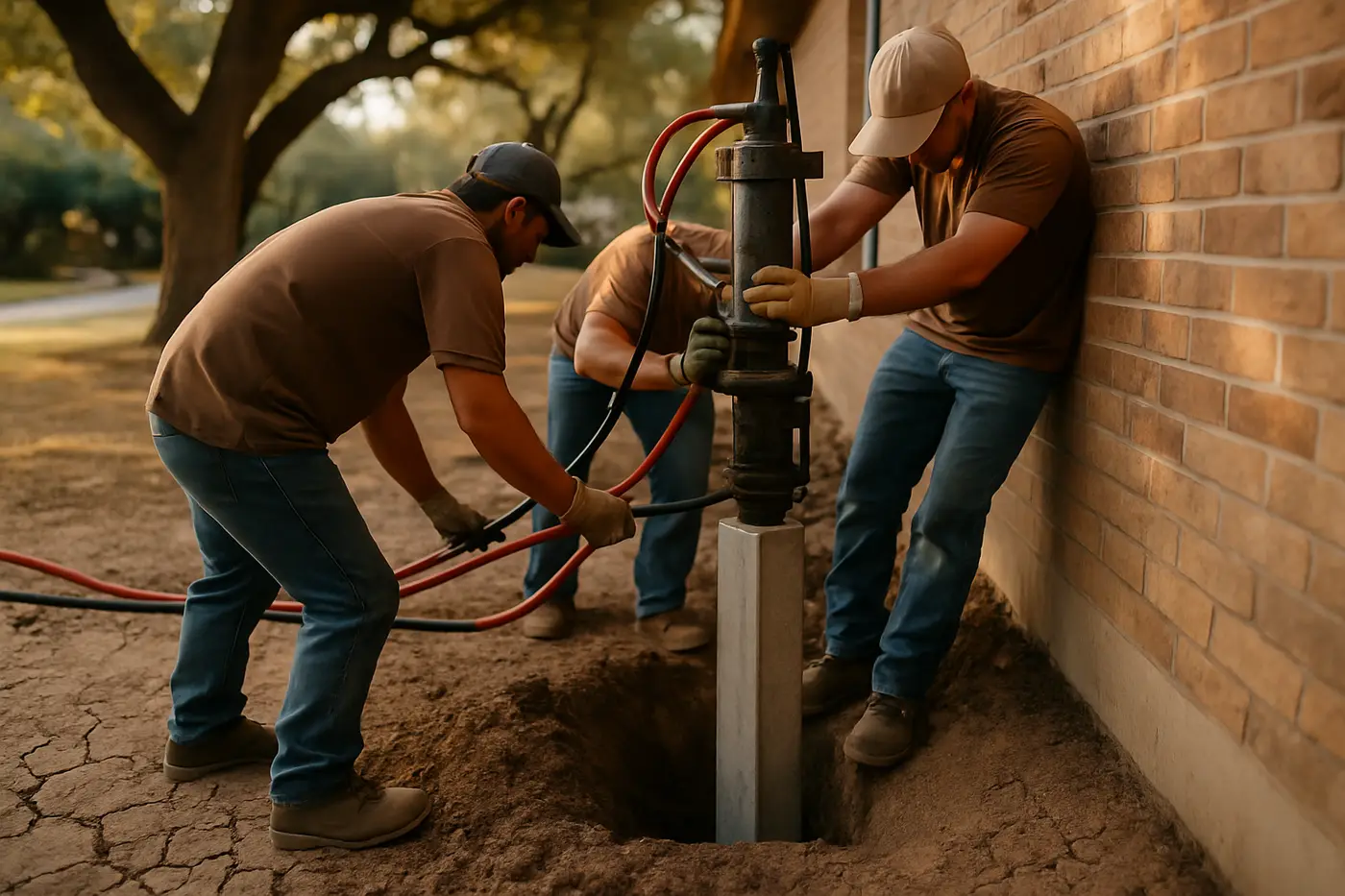
San Antonio, TX · Slab and pier and beam
Cracks over the doors, a floor that slopes, a slab that heaves every wet spring. Expansive clay and limestone do this to San Antonio houses, and the fix depends on which one you are sitting on. Start with an honest evaluation and a written proposal.
Tell us what the house is doing. You get an honest read on urgency and a written proposal after the evaluation.
About us
Foundation Repair SAT works on slab and pier and beam homes across San Antonio and the surrounding metro. South and east of the Balcones fault the houses sit on Blackland clay that swells in a wet spring and shrinks in a dry August. North and west they sit on limestone, thin soil and fill. The right repair is different in each case, and so is the honest answer, which is sometimes "water it, fix the gutters and check again in the fall".
Services
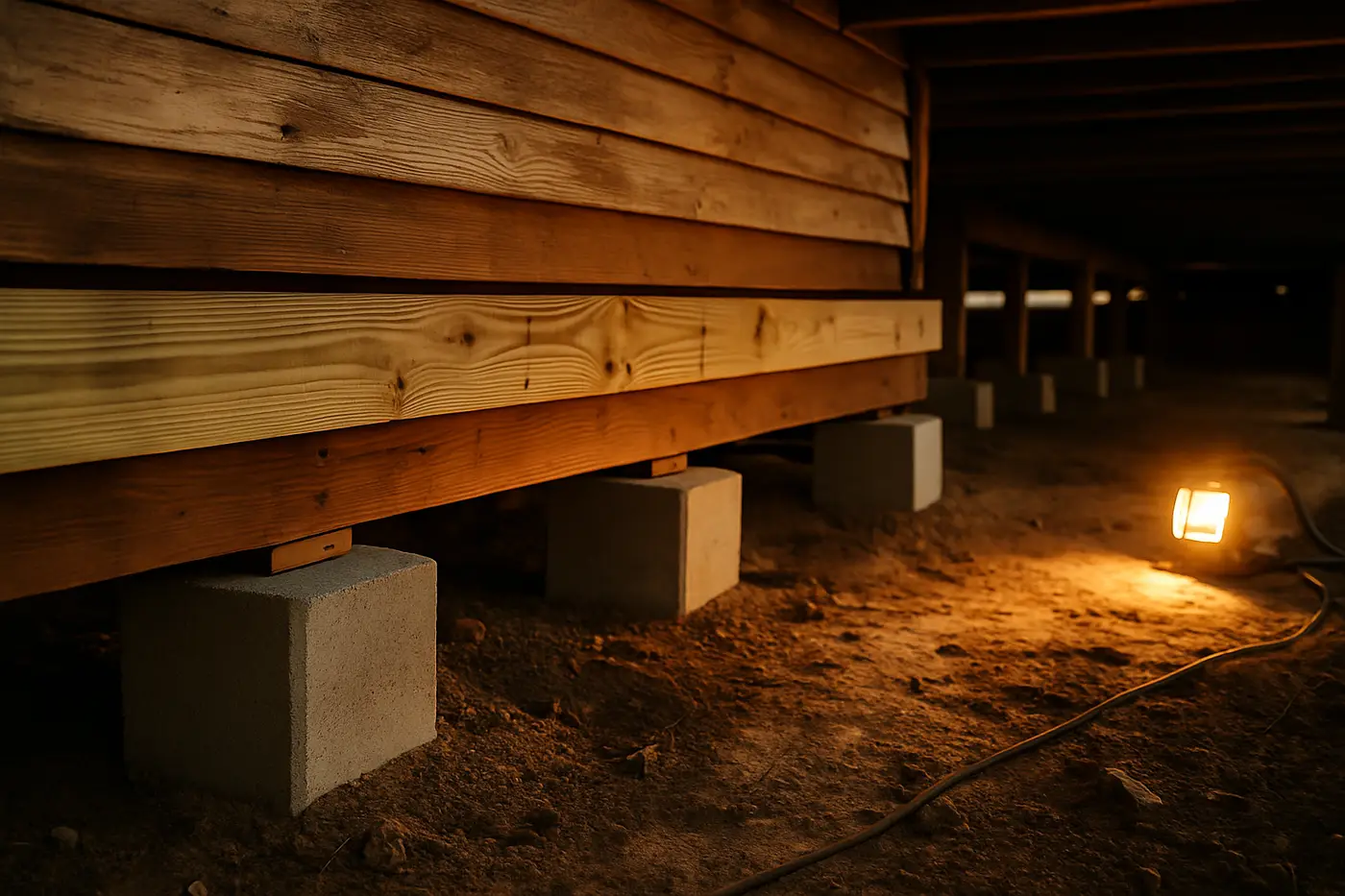
Reshimming, rotted sill and beam replacement, new piers and crawl space moisture control for pre-1960 homes.
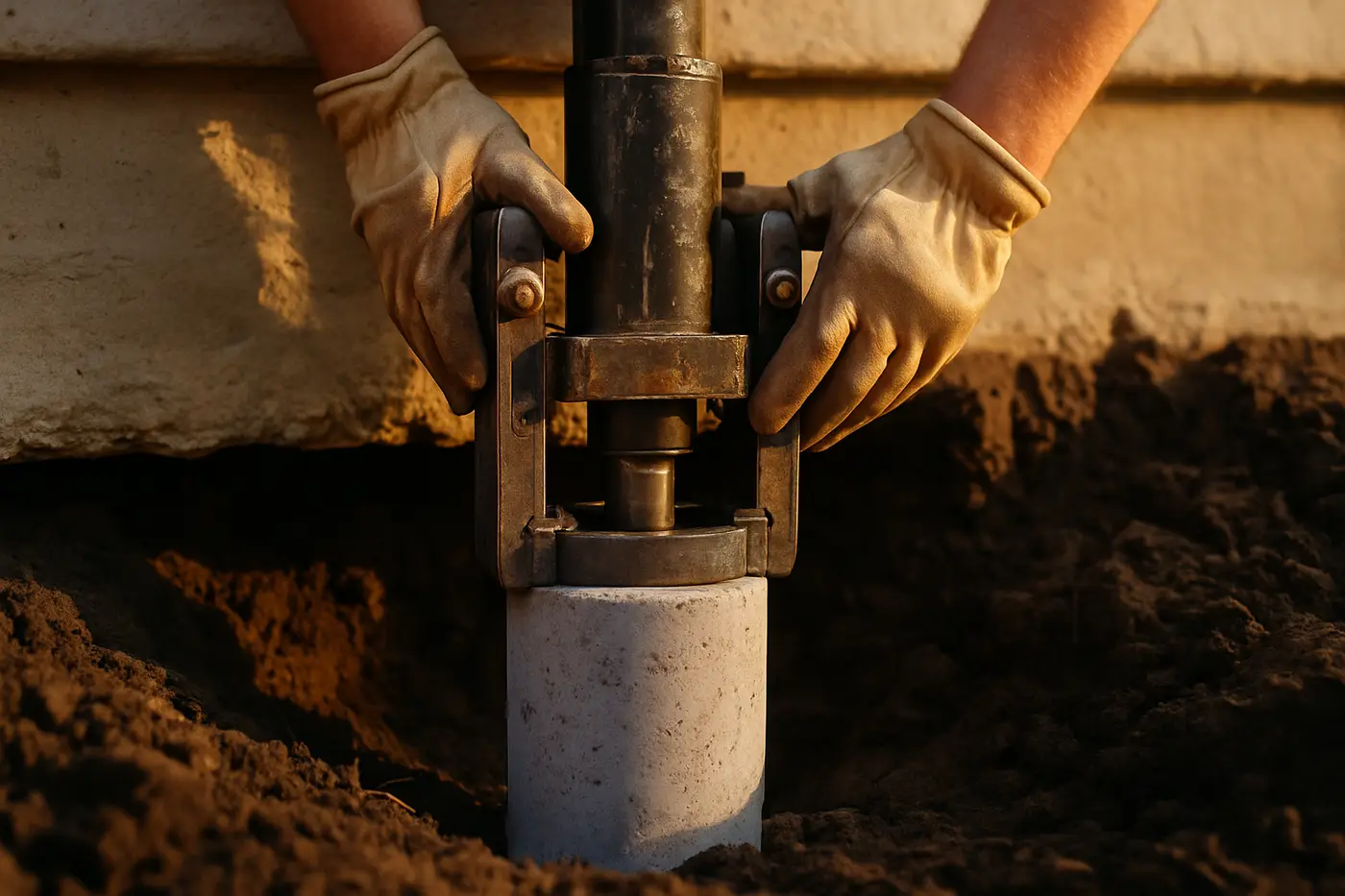
Pressed concrete pilings, steel piers or drilled piers under a settled slab, with a hydrostatic test before and after the lift.
Elevation survey, crack mapping and an honest read on whether the house needs piers, drainage or just watching.
Lifting a settled house back toward level in stages, doors closing again, and a written elevation record.
Which cracks are cosmetic, which are structural, and epoxy or polyurethane injection once the cause is fixed.
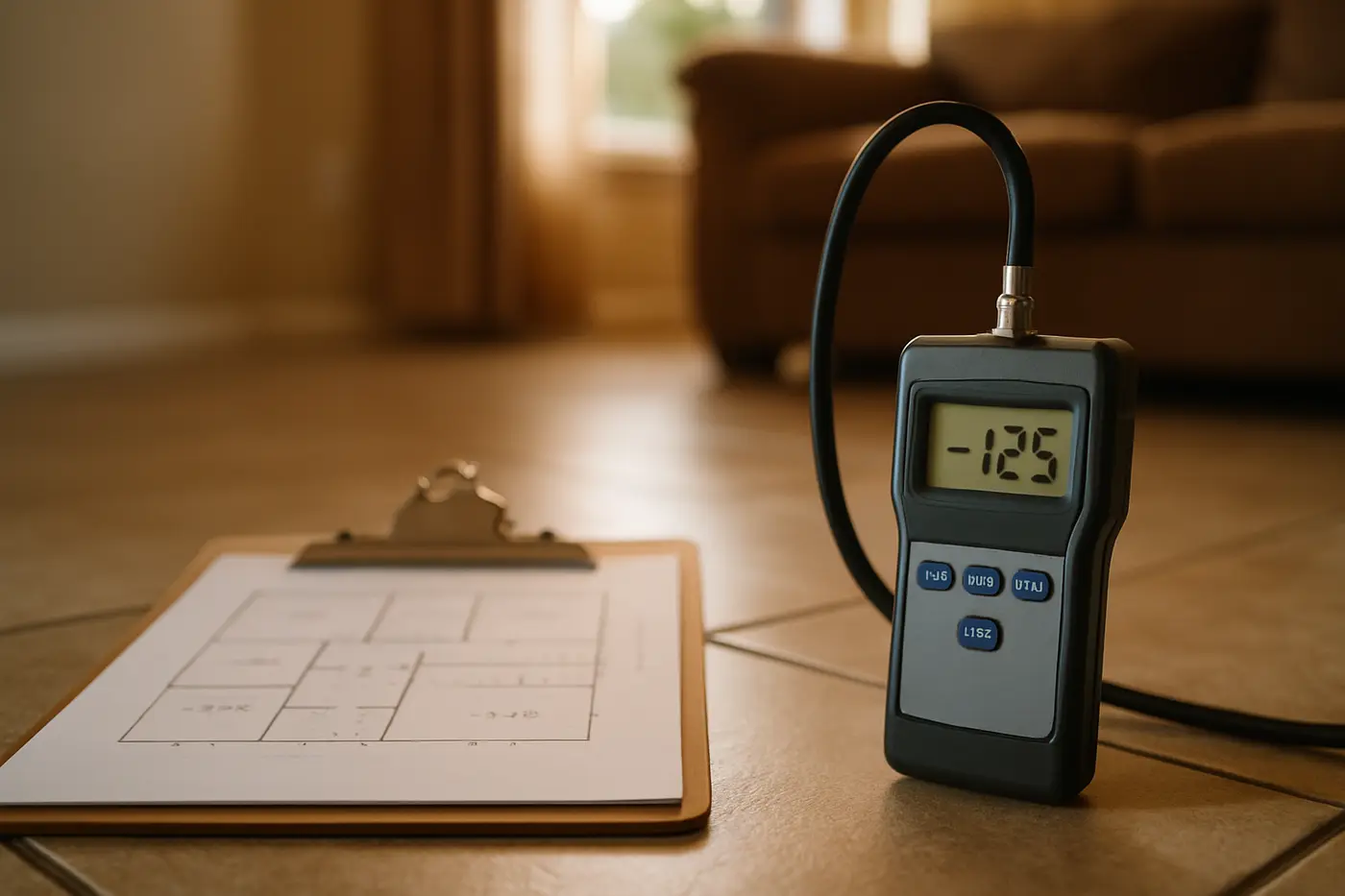
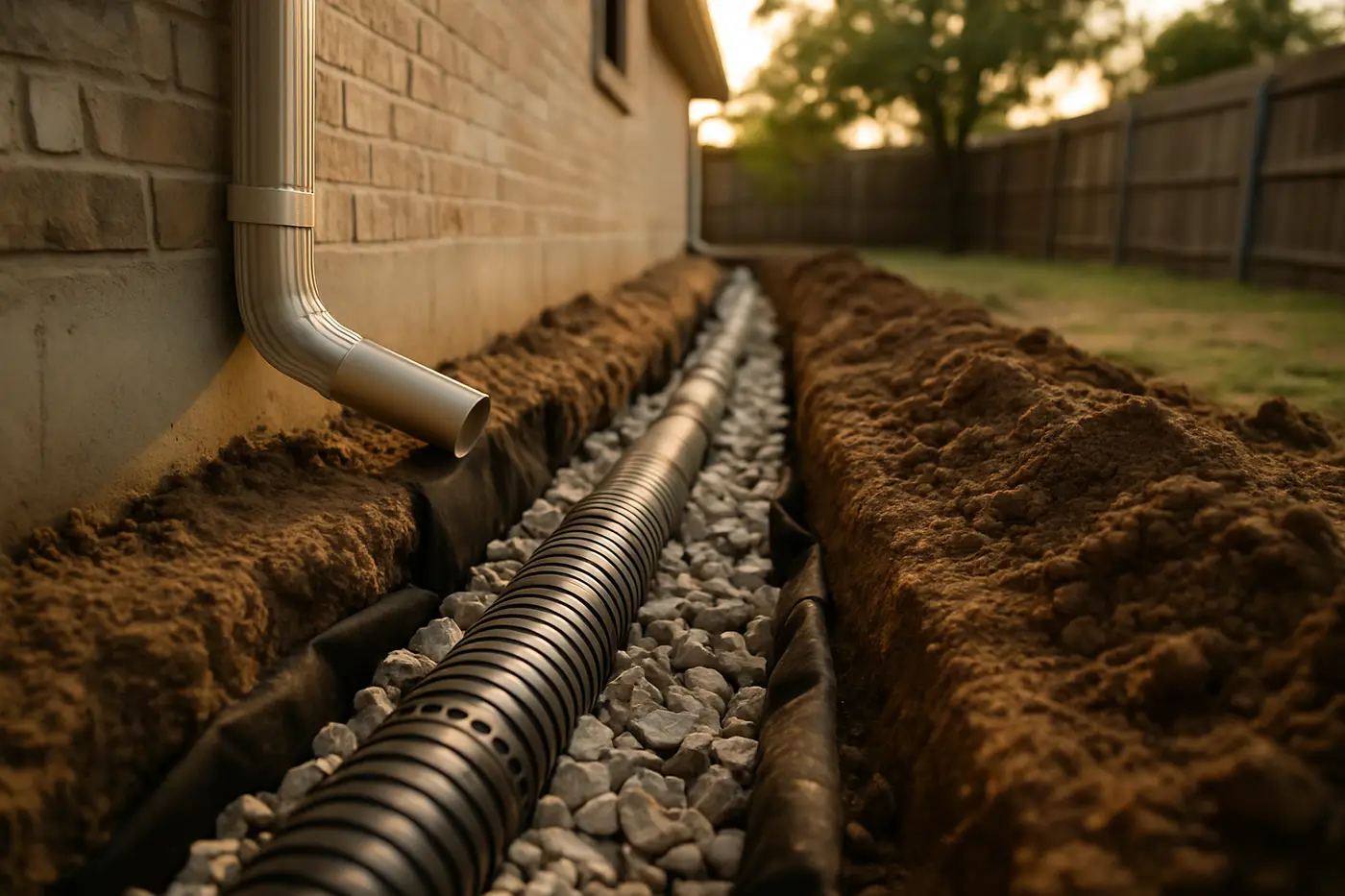
Hydrostatic testing, tunneling under the slab and drain repair when wet clay is heaving one side of the house.
How a job runs
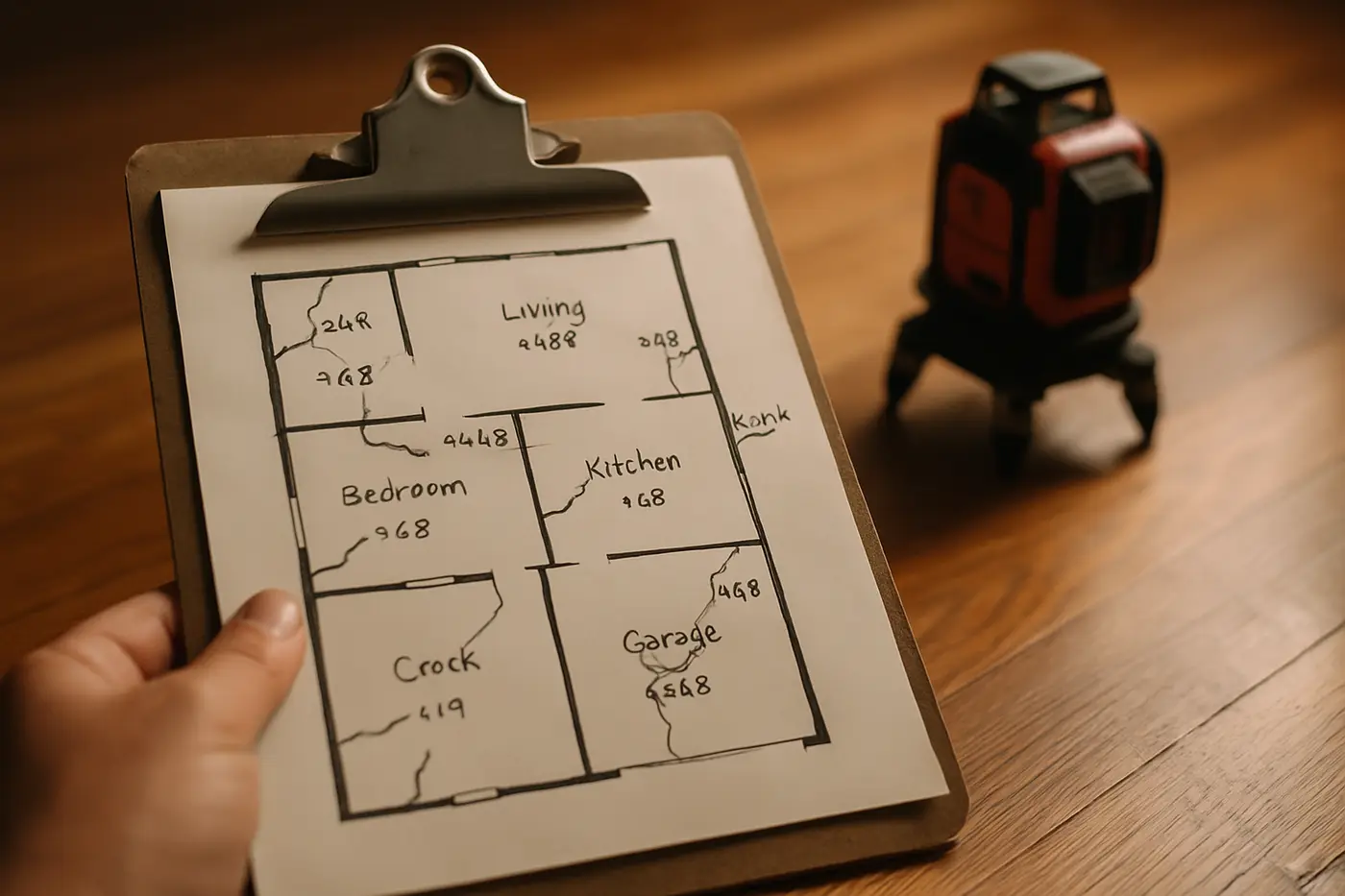
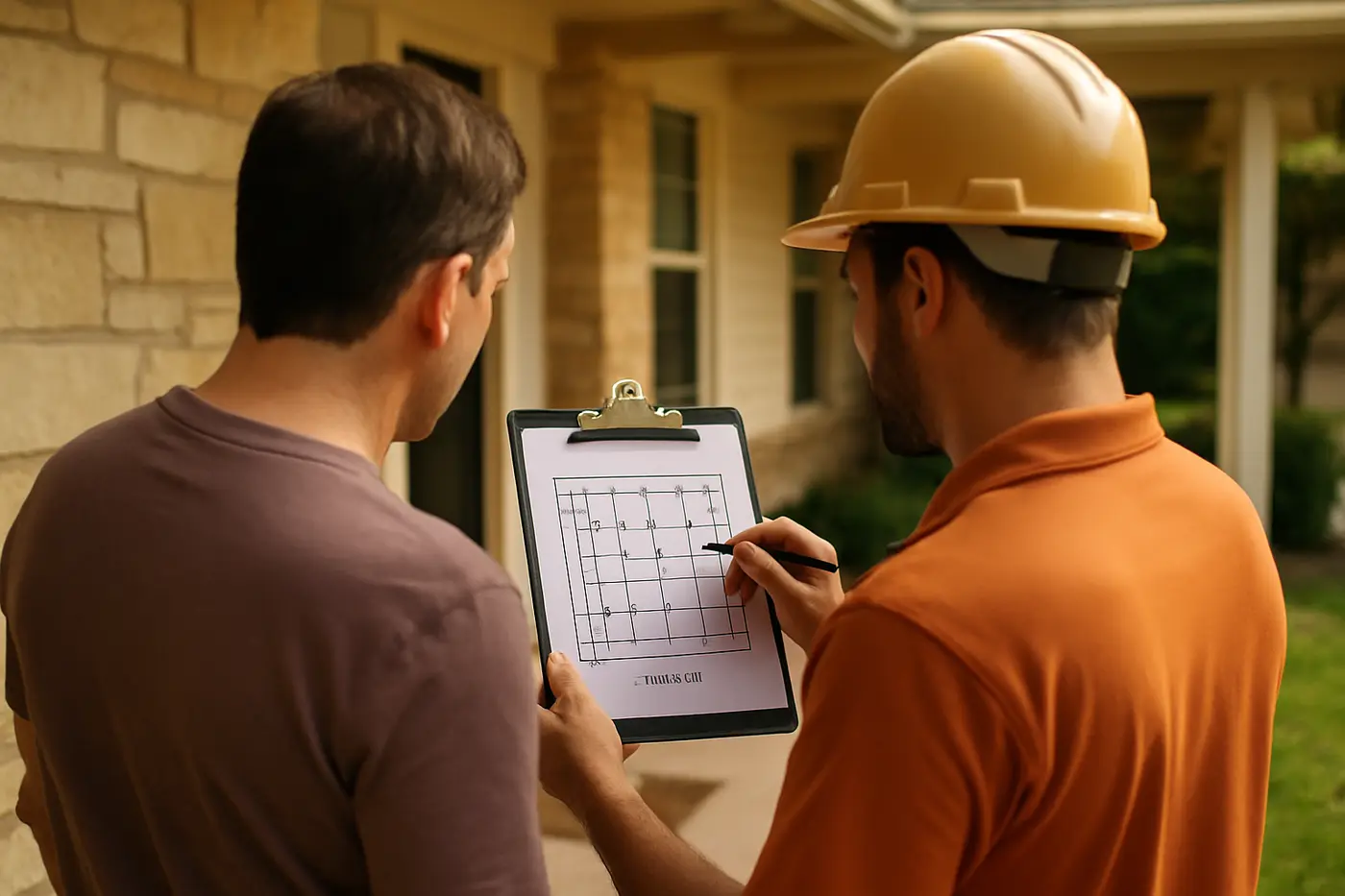
Elevation survey with a level, crack map inside and out, drainage and trees noted.
Method, pier count and locations, price, schedule and warranty terms on paper.
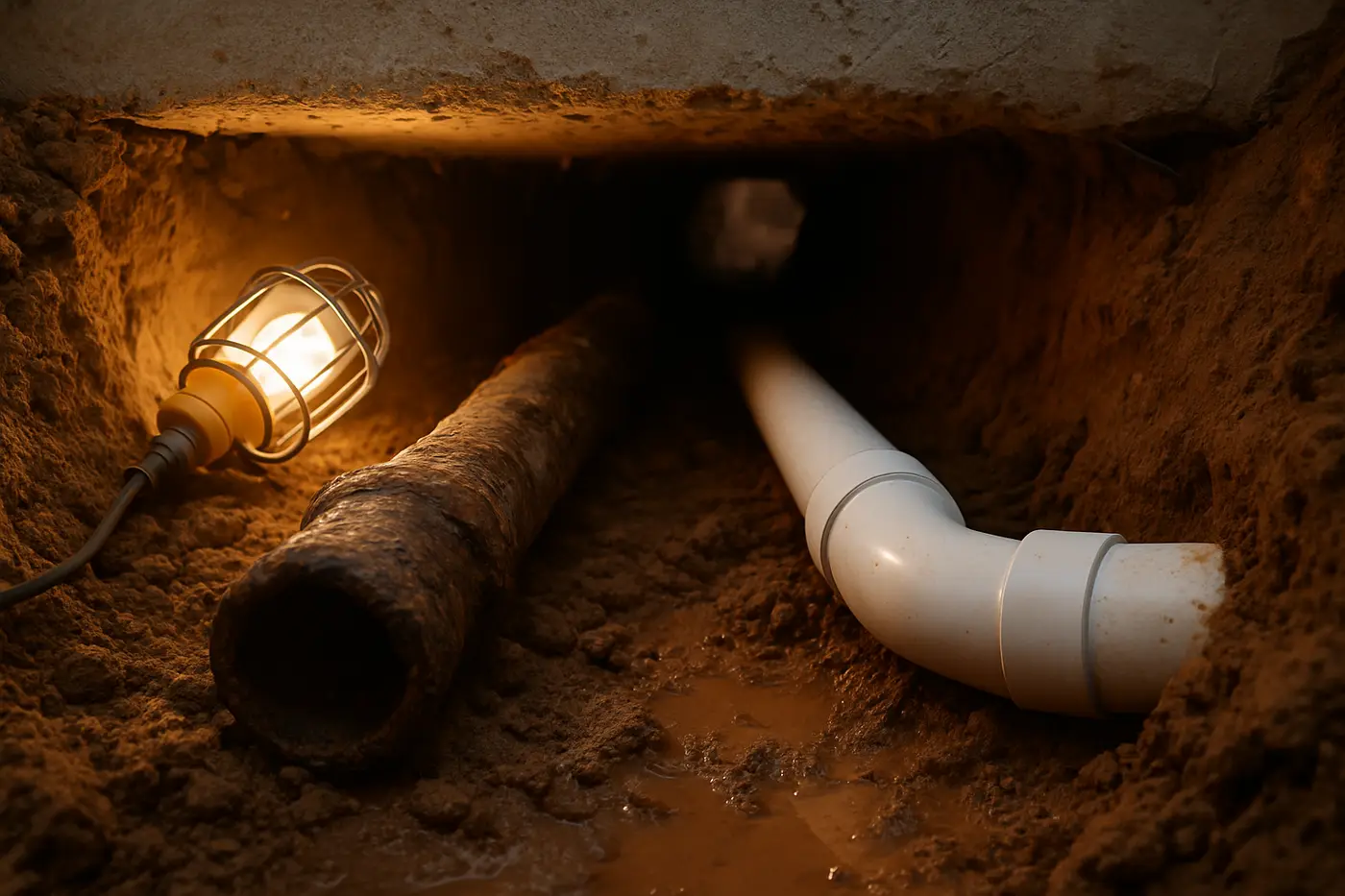
Hydrostatic test on the drains before the lift so a leak does not undo the work.
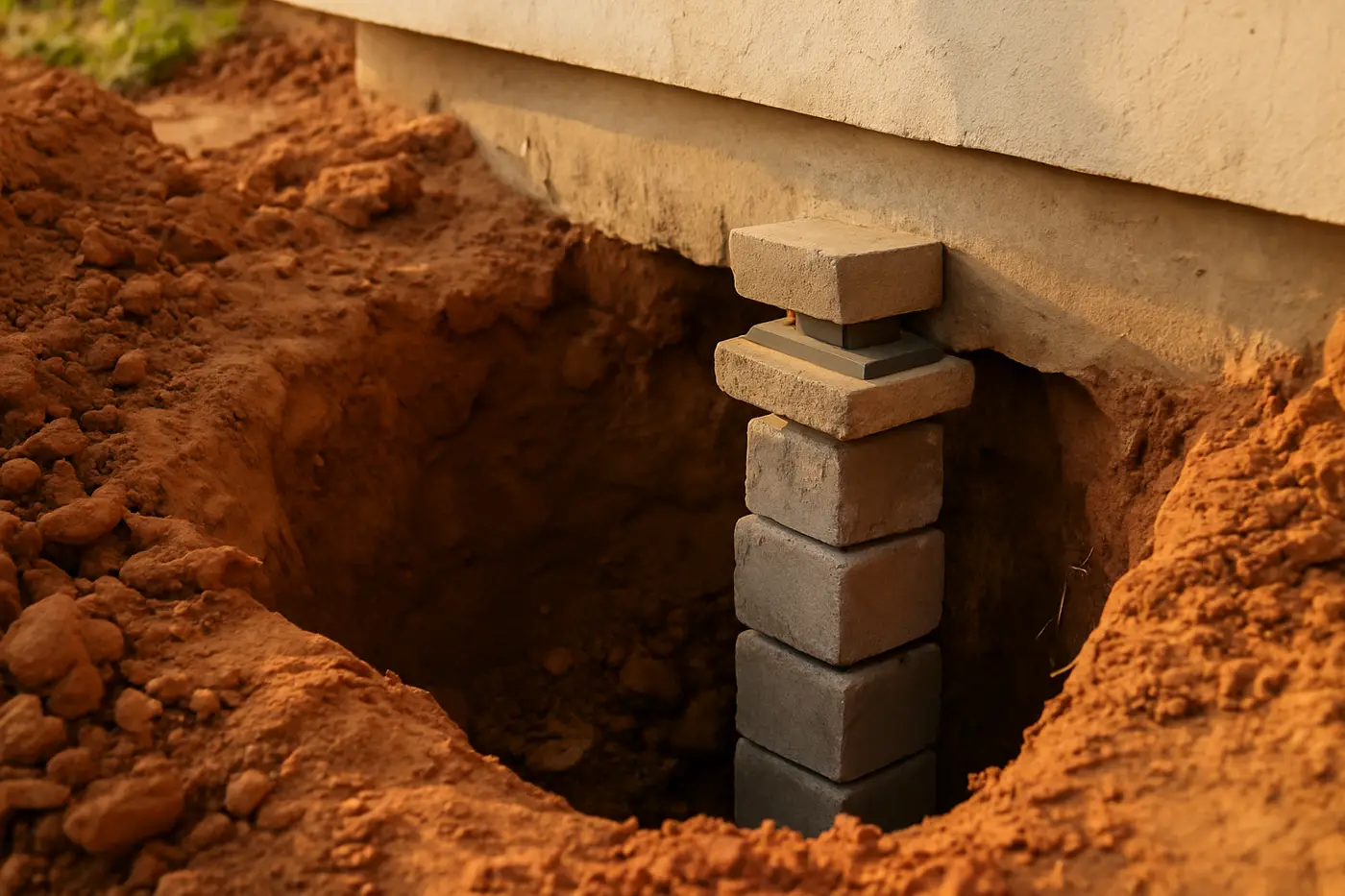
Piers pressed to refusal, house lifted in stages, doors checked as it comes up.
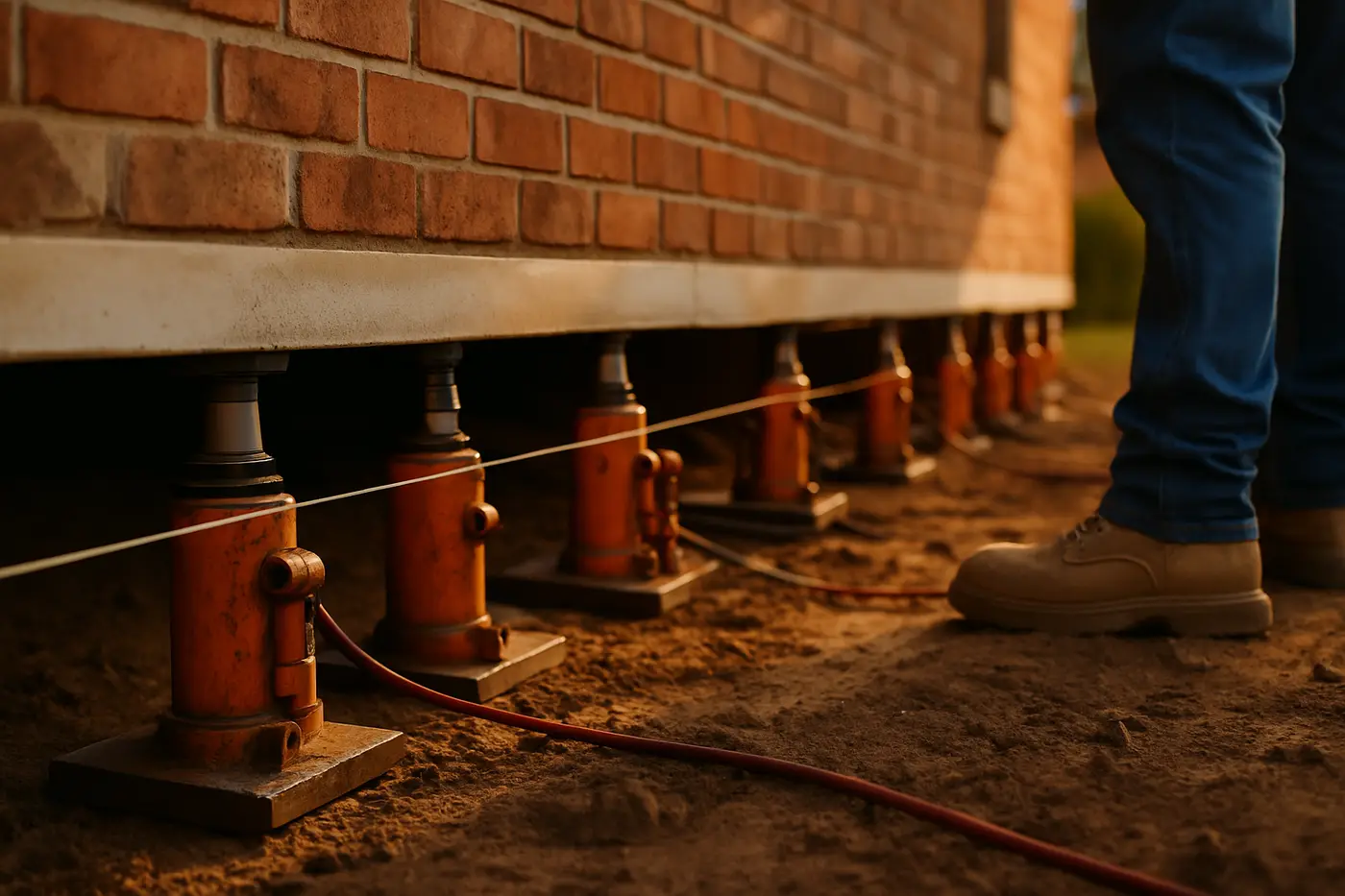
Second plumbing test, holes backfilled, elevations recorded, engineer's letter if required.
Why it moves
The Balcones Escarpment runs through the metro from southwest to northeast. On one side, deep expansive clay that lifts the edges of a slab after a wet spring and drops them after a dry summer. On the other, limestone and fill that settle unevenly under a house poured half on rock and half on dirt. Add live oaks drinking from one side of the foundation, a cast iron drain leaking under the other, and a summer with seventy days over 100 degrees, and the doors start sticking.
info@foundationrepairsat.comExpansive Blackland clay south and east of the Balcones fault
Edwards limestone, thin soil and fill north and west
Drought summers and flash-flood springs moving both
Not sure it is structural?
Many San Antonio cracks are seasonal and cosmetic. An evaluation ends with one of three answers: watch it, fix the water, or pier it. You get the answer in writing either way.
Where we work
Pier and beam Victorians, historic districts and the oldest slabs in the city
Downtown San Antonio · King William · Monte Vista · Alamo Heights
Typical travel ~25 min
Thin 1960s slabs inside Loop 410, post-tension slabs on limestone north of 1604
Stone Oak · Castle Hills · Shavano Park · Hollywood Park
Typical travel ~30 min
Rock, thin soil and fast-built subdivisions from Bandera Road to Boerne
Helotes · Boerne · Leon Valley · Alamo Ranch
Typical travel ~35 min
Deep Blackland clay under three decades of subdivisions around Randolph
Schertz · Cibolo · Converse · Universal City
Typical travel ~30 min
Mid-century slabs on clay, older pier and beam, and the Medina River towns
Harlandale · Highland Hills · Southwest Side · Castroville
Typical travel ~30 min
The fastest-growing city in the corridor, the county seat on the river, and the rock-and-clay line between them
New Braunfels · Seguin · Garden Ridge · Live Oak
Typical travel ~40 min
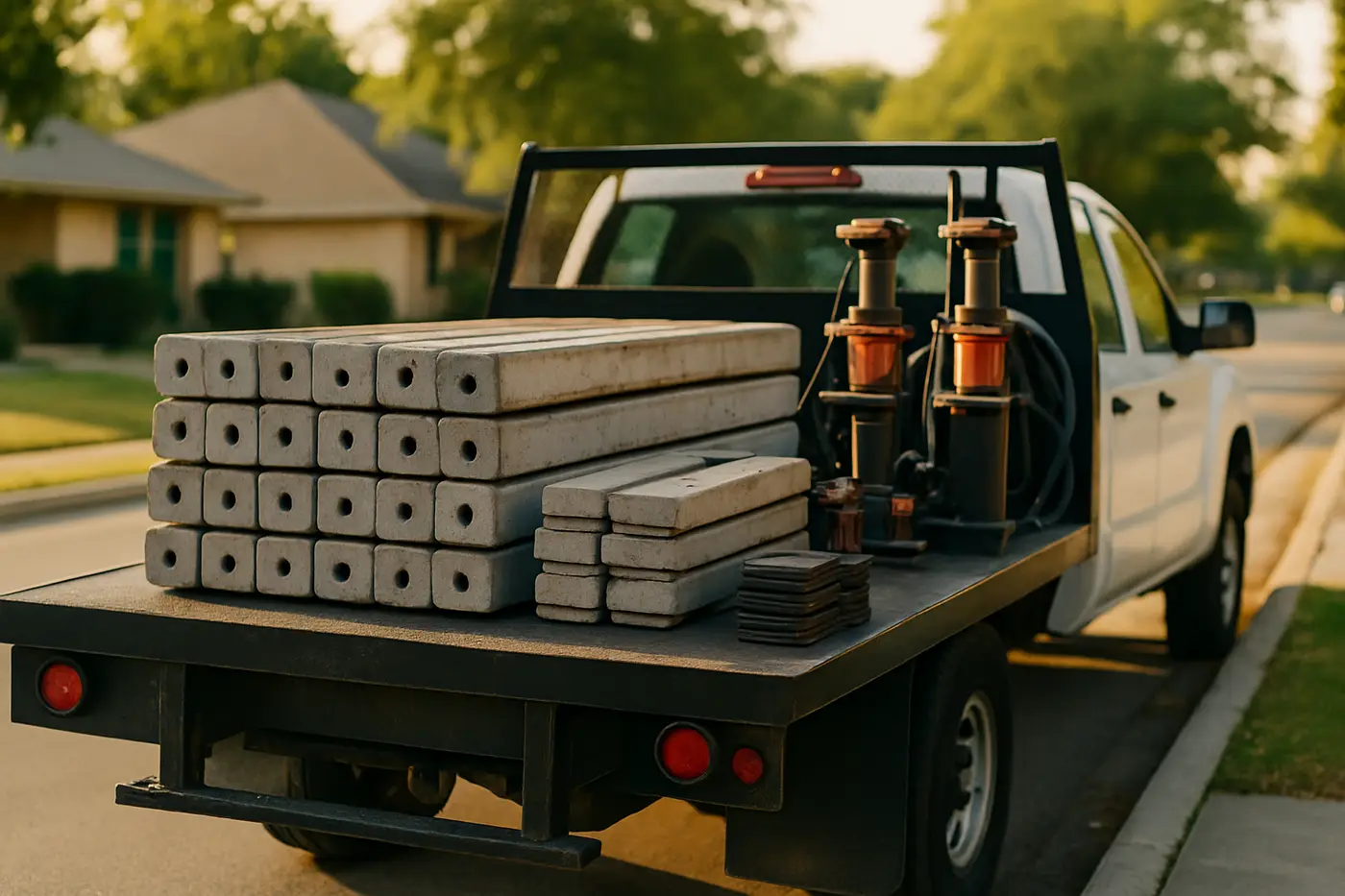

The crew and the engineer
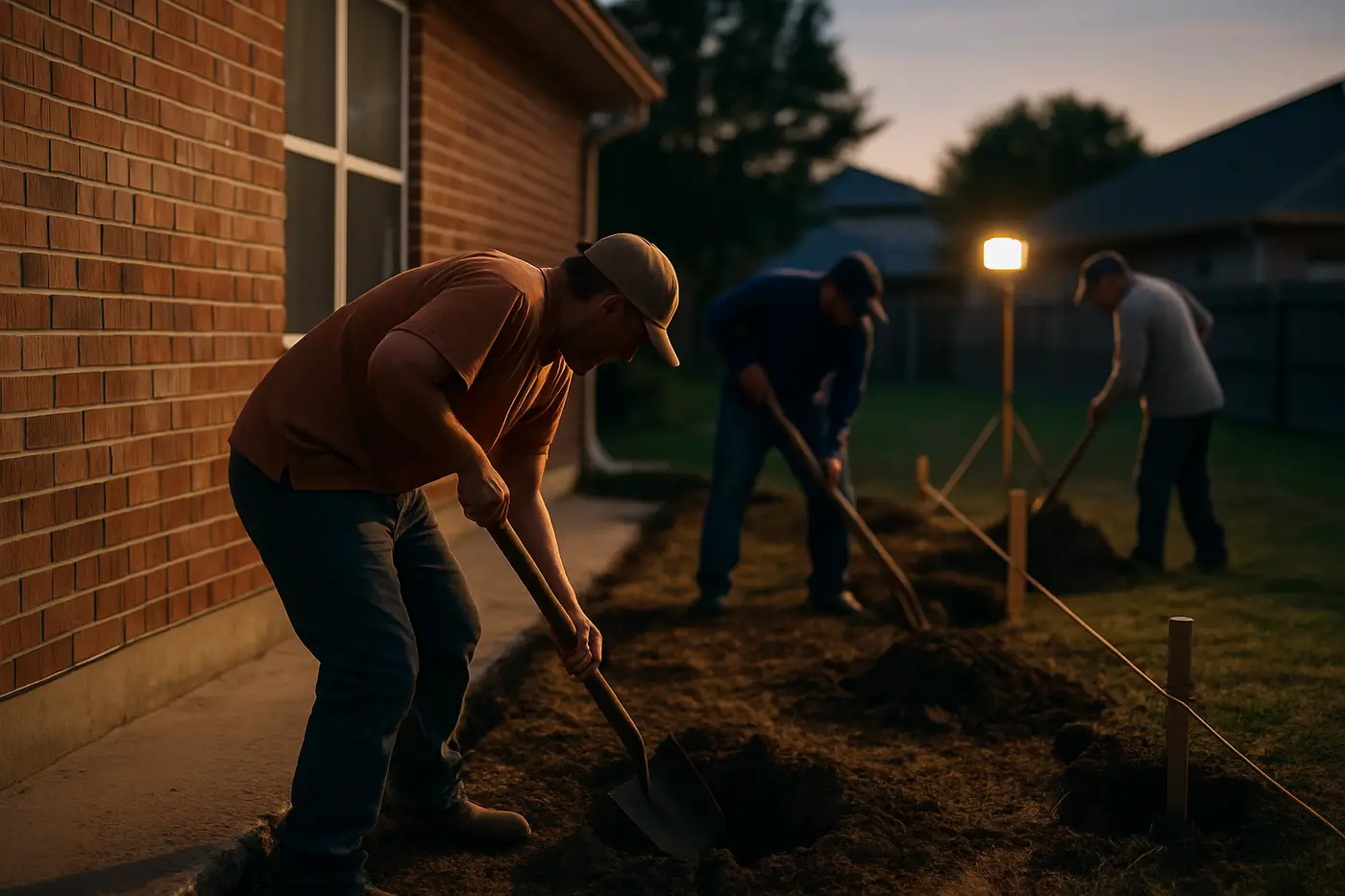
Anyone with a truck and a jack can press piers in Texas. So the evaluation is written down, the pier plan is drawn, an independent Texas licensed engineer is brought in when the house, the lender or the buyer calls for one, the City permit is pulled by the contractor, and the warranty terms go in the proposal where you can read them. The crew that presses the piers is the crew that comes back for the second plumbing test.
Questions
Straight answers on cost per pier, which cracks matter, clay versus rock, engineer's reports, permits, insurance and the neighborhoods we cover.
All questionsHairline cracks in drywall or a stem wall that open in late summer and close after the fall rains are seasonal movement on expansive clay, and most San Antonio houses have them. The ones worth an evaluation are cracks you can fit a coin in, stair-step cracks in brick at a corner or above a garage door that widen year over year, cracks with one side offset from the other, doors and windows that jam year-round rather than in August, and floors that slope enough to feel. Photograph every crack with a coin for scale and write the month on the photo; the pattern over two seasons tells more than any single crack.
Typical San Antonio ranges in 2026: pressed concrete pilings $350 to $600 per pier, pressed steel piers $1,000 to $1,800, drilled bell-bottom piers $1,200 to $2,200, helical piers $1,500 to $3,000. Most homes need 8 to 12 piers, so a typical slab repair lands between $4,500 and $14,000, and a major repair with 20 or more piers runs $15,000 to $35,000 and up. Pier and beam leveling runs $1,500 to $5,000 before any rotted sill or beam is replaced. Drainage correction and root barriers often cost less than piers and are sometimes the whole fix. Every number goes in a written proposal after the evaluation.
The soil decides more than the salesman. In deep Blackland clay across the northeast, south and the I-35 corridor, pressed concrete pilings reach refusal at a useful depth and have a long track record at the lowest cost per pier. On the north and northwest limestone, in caliche, in fill and wherever pilings stop within a few feet, steel piers press deeper and more predictably to a stable stratum. Mixed lots sometimes get both under one house. Drilled bell-bottom piers come in when an engineer's plan calls for them, and helical piers where vibration next to a stone wall or a light structure matters. The evaluation and the elevation survey pick the method; the proposal explains why.
Two soils and a climate that swings. The Balcones Escarpment runs through the metro from southwest to northeast. South and east of it the houses sit on Blackland Prairie clay that swells after a wet spring and shrinks through a dry summer, lifting and dropping the edges of every slab. North and west they sit on Edwards limestone with thin soil, caliche and fill on cut lots, where slabs settle unevenly on a mix of rock and dirt. Add roughly 32 inches of rain that arrives in bursts, drought years like 2011 and 2022 to 2023, live oaks and pecans drinking from one side of the foundation, and cast iron drains leaking under 1950s to 1980s slabs, and the doors start sticking.
No. Texas does not license foundation repair contractors at the state level; the Texas Residential Construction Commission was abolished in 2009 and nothing replaced it. Structural engineers are licensed by the Texas Board of Professional Engineers and Land Surveyors, which is why an independent engineer's evaluation and letter matter here more than in licensed trades. The things that stand in for a license are the written proposal with the pier plan drawn, the City permit, the hydrostatic test before and after, elevations recorded, and warranty terms you can read. Ask for all five before signing.
Usually not for soil movement. Texas homeowners policies generally exclude damage from settling, cracking, shrinking and expansion of the soil, which is most San Antonio foundation movement. The exception is damage caused by a plumbing leak under the slab: depending on the policy and any foundation or seepage endorsement, part of the repair may be covered, often with a cap. A hydrostatic plumbing test, dated photos and an engineer's report are what the adjuster asks for. Read the declarations page and call the agent before work starts, and keep the failed section of drain.
From our blog


Doors sticking again this summer?
Send the form or call. You get an evaluation window, what to watch for while you wait, and a written proposal only if the house actually needs work.